
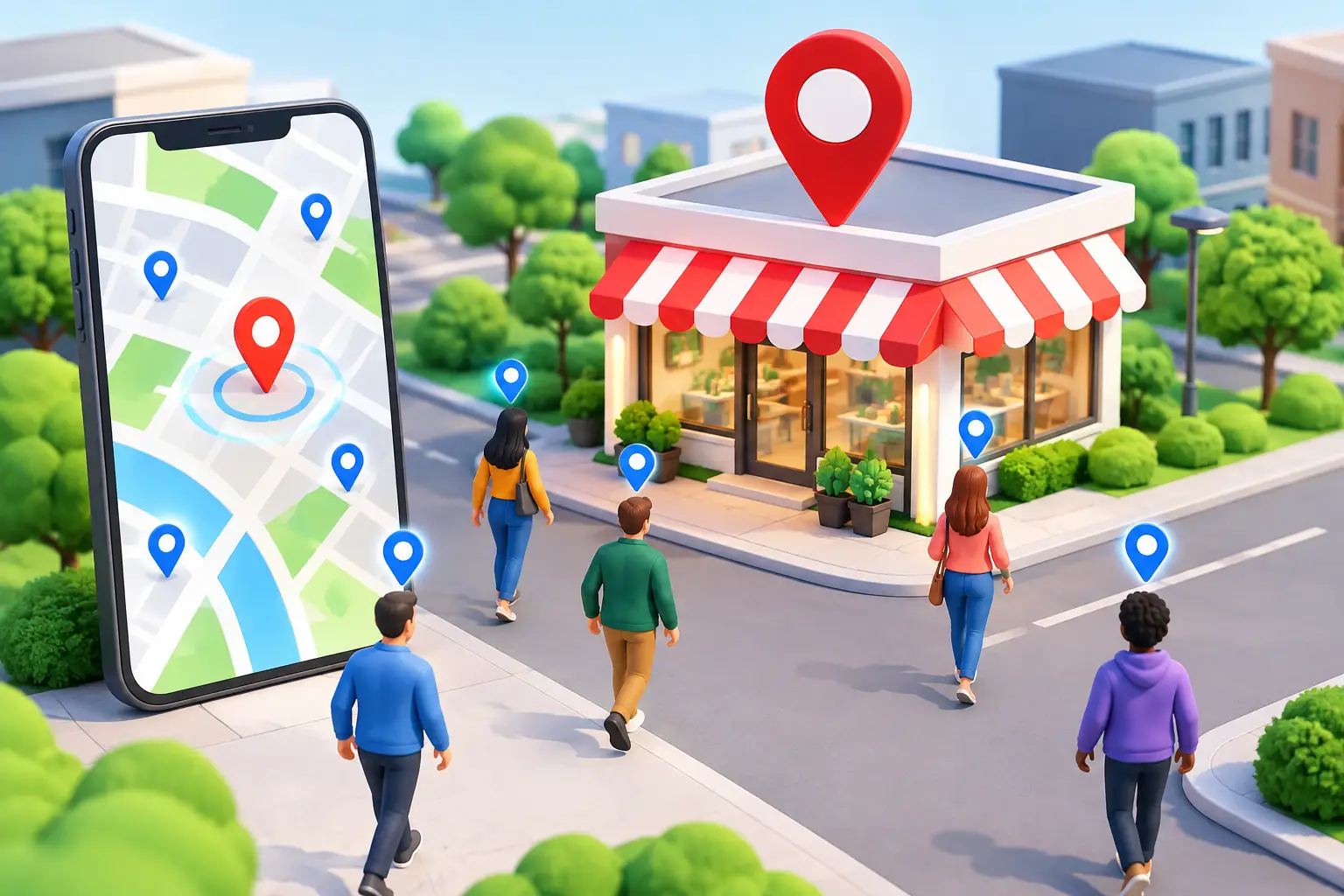
A homeowner with a leaking water heater is not searching for a brand story. They are searching for a plumber nearby, checking reviews, and calling the business that looks capable, responsive, and easy to reach. That is where local SEO earns its keep. It puts your business in front of people who already need what you sell – often when they are ready to book.
For local service businesses, visibility is not a vanity metric. It can mean more calls, estimate requests, store visits, and booked jobs without paying for every click. The catch: showing up locally takes more than adding your city name to a website footer. You need accurate business information, proof that customers trust you, and content that clearly connects your services to the places you serve.
What local SEO is really designed to do
Local SEO is the work of improving how your business appears when customers search for services in a specific area. Think searches such as “garage door repair near me,” “best chiropractor in Mesa,” or “tree removal in Austin.” Results often include a map section, local business listings, standard website results, and sometimes paid ads.
Google is trying to give the searcher the most useful nearby answer. In practical terms, it weighs three broad signals: relevance, distance, and prominence. Relevance means your profile and website clearly match the service searched. Distance is how close your location or service area is to the customer. Prominence is the trust you have built through reviews, links, accurate listings, brand mentions, and a credible web presence.
You cannot move your shop closer to every customer. You can make the rest of the decision easier for search engines and real people.
Start with the local assets you control
Your Google Business Profile is usually the first place to focus. It feeds the information many searchers see before they ever visit your website: business category, phone number, hours, reviews, photos, service areas, and directions. A half-finished profile sends the wrong signal and creates easy openings for better-prepared competitors.
Claim and verify your profile, then complete it as if a customer will make a hiring decision from that page alone. Use your real business name, a local phone number, current hours, and the most specific primary category available. Add secondary categories only when they describe genuine services. A fence contractor, for example, should not add landscaping simply because it sounds adjacent.
Write a clear business description that explains what you do, where you work, and why customers choose you. Upload current photos of your team, vehicles, completed work, storefront, equipment, or before-and-after results. Stock images may look polished, but authentic local photos build more trust for service businesses.
Keep your name, address, and phone number consistent everywhere they appear. A suite number missing in one directory or an old tracking number on a social profile may seem minor, but inconsistent details make it harder for search engines to confidently connect all mentions to one business.
Service-area businesses need a different setup
If customers do not visit your office, do not pretend they do. A mobile auto repair company, moving company, or tree service can use a service-area profile and hide the street address when appropriate. Set realistic service areas based on where you genuinely work.
Trying to claim an entire state when you only serve three counties weakens your message. It also wastes leads on calls you cannot profitably take. Focus on the locations your crew can reach quickly and serve well.
Build pages around services and places, not keyword stuffing
Your website should make it obvious what you offer and where you offer it. The homepage can establish your main market, but it should not do all the work. Dedicated service pages help search engines and customers understand exactly when to choose you.
A roofing company might have separate pages for roof repair, roof replacement, storm damage inspections, and commercial roofing. Each page should explain the problem, the solution, what the process looks like, and how to request an estimate. Add real proof where possible: project photos, frequently asked questions, warranties, certifications, and customer outcomes.
Location pages can work well when they contain useful local substance. A page for “water heater repair in Plano” should not be the same paragraph copied 20 times with city names swapped. Include the services available in that area, local scheduling information, relevant project examples, neighborhood references when accurate, and a strong call to action.
For a smaller business, start with your core city and the few surrounding areas that produce the best jobs. More pages are not automatically better. Ten thin pages rarely outperform three pages that answer real customer questions.
Reviews turn visibility into calls
Reviews affect both local trust and customer behavior. A business with a 4.8-star rating, recent feedback, and thoughtful replies looks safer than a business with three outdated reviews – even if both appear in the same map results.
Make asking part of your completed-job process. The best time is right after a successful service visit, closing, repair, or delivery, when the customer is still feeling the relief of the result. Send a simple, polite request by text or email. Do not pressure customers, write reviews for them, or offer rewards that violate platform rules.
Reply to every review with a human response. Thank happy customers specifically without copying the same template. For a negative review, stay calm, acknowledge the concern, and offer a path to resolve the issue offline. Future customers are watching how you handle the tough ones.
A steady flow of recent reviews matters more than a one-time push. Ask consistently, because a profile that has not earned feedback in a year can look inactive even when the business is busy.
Strengthen the local signals beyond Google
Your local SEO work should not live in one profile. Claim or correct major business listings and industry-relevant directories. Local chambers, trade associations, supplier directories, neighborhood publications, and community sponsorships can also help when they create legitimate mentions of your business.
Do not chase random directory submissions just to inflate a number. One accurate listing on a trusted local or industry site is more useful than dozens of low-quality pages no customer will ever see.
Local relationships can create the kind of prominence competitors cannot fake. A home inspector may partner with real estate agents. A chiropractor may contribute helpful injury-prevention tips to a local fitness event. A solar installer may publish a useful guide tied to local rebates or permitting questions. The goal is not to force a link. It is to become visibly useful in the market you serve.
Create content customers actually search for
The best local content often comes from conversations your team already has every week. Turn recurring questions into useful pages, posts, and short videos. A garage door company can explain why a door opens unevenly. A massage therapist can cover what to expect at a first appointment. A mover can explain how to prepare appliances for a move.
This content earns trust before the customer calls and gives search engines more evidence about your expertise. Keep it practical. Explain the issue in plain English, give safe next steps, and be honest about when the customer needs professional help.
AI can speed up the first draft, generate service-page outlines, repurpose customer questions into posts, and organize review-response ideas. But it cannot replace local accuracy. Check every claim, city reference, price statement, and service detail before publishing. Fast content that is wrong costs more than slow content that is useful.
Measure leads, not just rankings
Ranking reports can be motivating, but they do not pay invoices. Track phone calls, form submissions, booked estimates, direction requests, and revenue from local leads. If possible, ask new customers how they found you and record the answer in your CRM or job-management system.
Also watch which services and locations produce profitable jobs. You may rank well for a broad keyword that generates low-value calls, while a less glamorous service page brings your best customers. Local SEO is not about winning every search. It is about winning the right searches.
Give your work time. Profile improvements and review activity may create movement quickly, while stronger website authority and local prominence can take months. The businesses that win tend to be consistent: they keep information current, keep earning reviews, keep publishing useful proof, and keep improving what turns searches into calls.
The practical advantage is simple: do not wait until marketing is perfect before becoming easier to find. Start with the next customer-facing asset you can improve today, then build from there. With focused workflows and purpose-built tools from Rocket AI Prompts, creating that steady stream of local content can take far less time than starting from a blank page.








0 Comments