
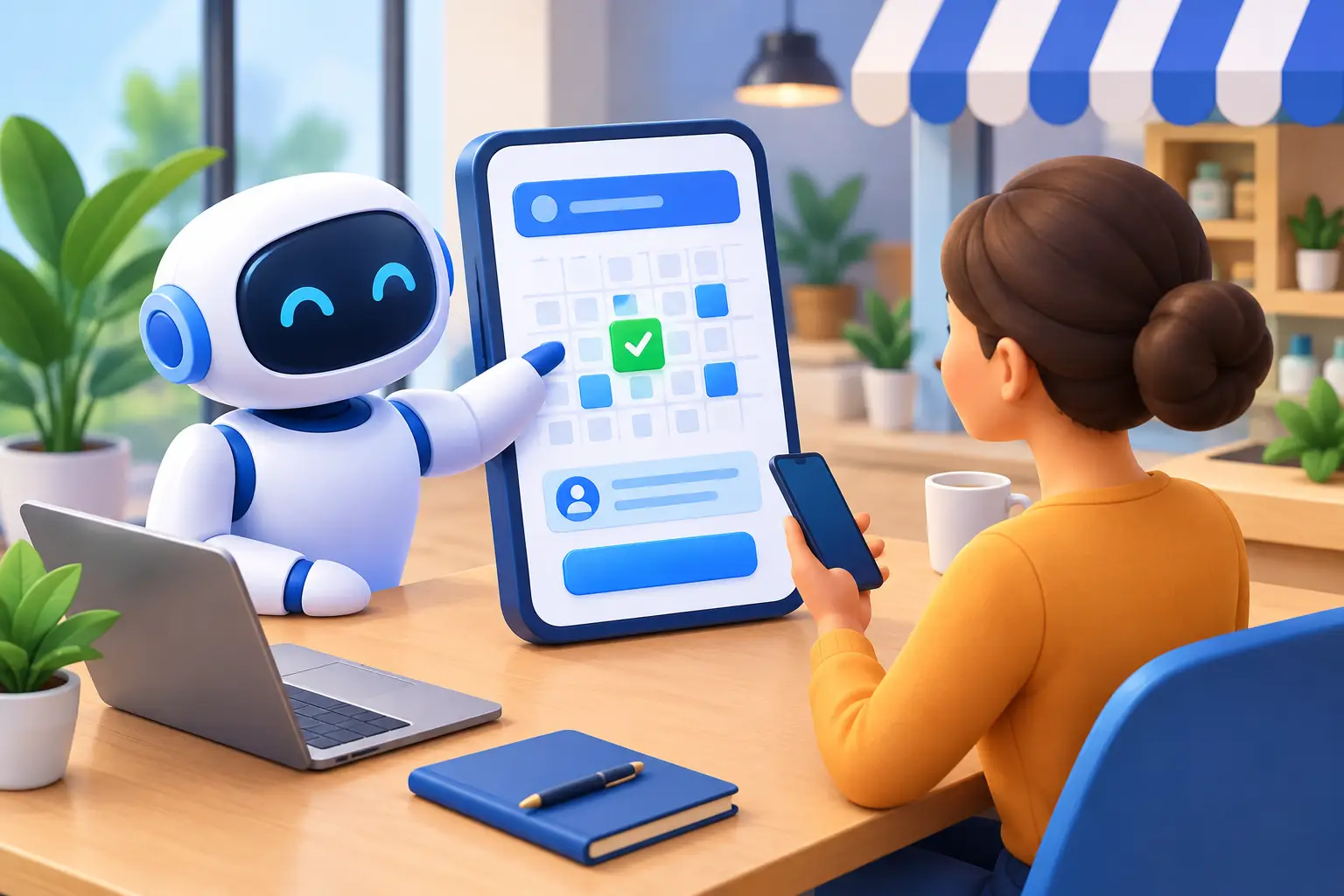
A missed call at 2:15 p.m. can become a booked competitor by 2:20. For a busy chiropractor, contractor, auto repair shop, or real estate agent, the problem is rarely a lack of leads alone. It is the gap between a new inquiry and a clear, confident response. Can GPTs improve appointment bookings? Yes, when they are used to remove that gap and support the booking process with faster messaging, stronger follow-up, and better-prepared staff.
GPTs will not magically fill a calendar without a real offer, enough demand, or someone available to do the work. But they can help small businesses handle the work that quietly costs appointments every day: writing replies, answering common questions, qualifying leads, creating reminders, and following up with people who showed interest but never chose a time.
Can GPTs Improve Appointment Bookings? Here Is How
The biggest booking advantage is speed. Local customers often contact two or three businesses before making a decision. The company that replies first with useful information and a simple next step has a real edge.
A purpose-built GPT can create ready-to-send responses for common situations in seconds. Think of a homeowner asking whether a garage door repair company can come out today, a massage client asking about first-visit pricing, or a solar lead wondering if their home qualifies. Instead of typing each response from scratch, the business owner can generate a clear reply that answers the question and asks for the details needed to schedule.
The difference is not just faster wording. It is consistency. Every inquiry gets a professional tone, a direct call to action, and less chance of an overwhelmed owner replying with, “What do you need?” three hours later.
GPTs Help Turn Questions Into Booking Conversations
Many leads do not book because the conversation stalls. They ask for pricing, availability, insurance details, service areas, or what happens during an appointment. A vague answer can make the customer keep shopping. A long answer can create friction. The best response gives enough clarity to build trust, then moves naturally toward a time on the calendar.
For example, a fence contractor can use a GPT to turn a basic inquiry into a helpful response: confirm the service area, explain what information is needed for an estimate, offer two appointment windows, and make the next action obvious. A chiropractor can create a first-visit message that explains what to bring, what the consultation includes, and how to reserve a spot.
This is where specialized workflows matter. Generic AI can write a message, but a GPT built around appointment-setting prompts can be trained to produce the right structure every time: acknowledge the lead, answer the core question, reduce uncertainty, and ask for the booking.
Where GPTs Make the Biggest Booking Difference
Appointment booking is not one task. It is a chain of small actions, and weak links lose revenue. GPTs are most useful when they support the moments that are easy to delay or overlook.
First Responses to Calls, Forms, and DMs
Customers reach out through website forms, Google Business Profile messages, Facebook, Instagram, text, email, and voicemail. A GPT can help create channel-specific reply templates that sound human instead of copied and pasted.
A text reply should be short and easy to answer. An email can include more detail. A social media message may need a warmer tone and a quick invitation to call or use a booking link. With the right prompts, your team can produce all three without reinventing the response every time.
Lead Qualification Before the Calendar Fills
Not every lead is ready, local, or a good fit. Booking every inquiry can waste time and create frustrating appointments for both sides. GPTs can help create a short qualification flow that gathers the details you actually need before scheduling.
For a tree service, that may mean property location, tree size, access issues, and the urgency of the job. For an auto repair shop, it could be vehicle year, make, model, symptoms, and whether the car is safe to drive. For a real estate agent, it may be timeline, preferred area, budget range, and financing status.
The goal is not to interrogate people. It is to collect enough information to offer the right appointment, with the right person, at the right time.
Follow-Up That Does Not Feel Pushy
A large share of appointment opportunities go quiet after the first exchange. The prospect gets busy. They need to check with a spouse. They are comparing options. They simply forget.
GPTs make it easier to create follow-up sequences that feel helpful rather than desperate. One message can answer a concern the lead raised. Another can offer a convenient opening later that week. A final check-in can politely close the loop while leaving the door open.
The key is timing and relevance. Do not send five generic “just checking in” messages. Use the details from the conversation. If someone asked about weekend availability, follow up with an available Saturday slot. If they were worried about cost, offer a clear explanation of what the appointment includes.
No-Show Reduction and Appointment Prep
A booking is not revenue until the customer actually arrives or lets you in the door. GPTs can draft confirmation texts, reminder emails, pre-appointment instructions, and rescheduling messages that reduce confusion.
For service businesses, practical reminders matter. Tell customers where to park, how long the visit takes, whether an adult needs to be present, what documents to have ready, or how to prepare the space. These small details build confidence and lower the odds of a no-show.
What GPTs Cannot Fix on Their Own
AI is an assistant, not a replacement for a booking system or a strong customer experience. If your calendar has no open slots, your phone goes unanswered for days, or your pricing is unclear, better copy will only go so far.
GPTs also need good inputs. A tool cannot accurately answer questions about your service radius, policies, financing, pricing, or availability if you have not given it the correct information. Build a simple business reference document first. Include your services, ideal customers, hours, service areas, FAQs, booking rules, and brand voice.
Human review still matters, especially in industries involving health, legal claims, safety issues, or precise estimates. A massage therapist should not use AI-generated messages to make medical promises. A roofing contractor should not promise a final price before an inspection. Use GPTs to communicate clearly, not to overpromise.
A Practical Setup for More Booked Appointments
Start with the booking leaks you can see right now. Review the last 20 inquiries your business received. Where did conversations slow down? Were leads waiting for a reply? Did people ask the same questions repeatedly? Did your follow-up stop after one message?
Then create a small set of repeatable GPT workflows. Begin with a new-lead response generator, a lead-qualification script, a three-message follow-up sequence, and an appointment reminder builder. That gives you coverage across the core booking journey without adding unnecessary complexity.
Keep the final action simple. Every message should point toward one clear next step: choose a time, call the office, send photos, confirm an address, or reply with a preferred day. Too many options create hesitation.
For businesses that want ready-to-use support instead of building prompts from scratch, Rocket AI Prompts offers specialized GPT workflows designed around real growth tasks, including local lead response and conversion-focused content. The value is speed: less time figuring out what to ask AI, and more time using it to move prospects forward.
Measure Bookings, Not Just Messages
A polished response is useful only if it produces better business results. Track your inquiry-to-appointment rate, average response time, no-show rate, and the number of follow-ups it takes to secure a booking. Review the data monthly and adjust your scripts based on the questions that keep appearing.
You may find that faster replies are the biggest win. Or you may learn that your best improvement comes from clearer pricing explanations, stronger reminder messages, or asking for the appointment earlier in the conversation. The right answer depends on your industry and where your leads currently fall away.
Your calendar does not need more generic marketing noise. It needs timely, useful conversations that make saying yes easy. Put GPTs to work on the repetitive communication around every inquiry, keep a human eye on the details that matter, and give every qualified lead a better reason to book now.






0 Comments