

A local contractor can spend $1,500 on ads this month and get a full calendar. Or they can spend that same budget, plus a few focused hours, building a prospect list and sending tailored outreach. The first path creates immediate visibility. The second can create a repeatable pipeline. That is the real decision behind AI prospecting versus paid ads.
For small businesses, this is not a debate about which channel is universally better. It is about where your next customer is most likely to come from, how quickly you need them, and what you can realistically manage without adding another full-time job.
AI Prospecting Versus Paid Ads: The Core Difference
Paid ads rent attention. You pay Google, Meta, LinkedIn, or another platform to put an offer in front of a defined audience. When the campaign is targeted well, your business can generate traffic and leads quickly. When the budget stops, that visibility usually stops too.
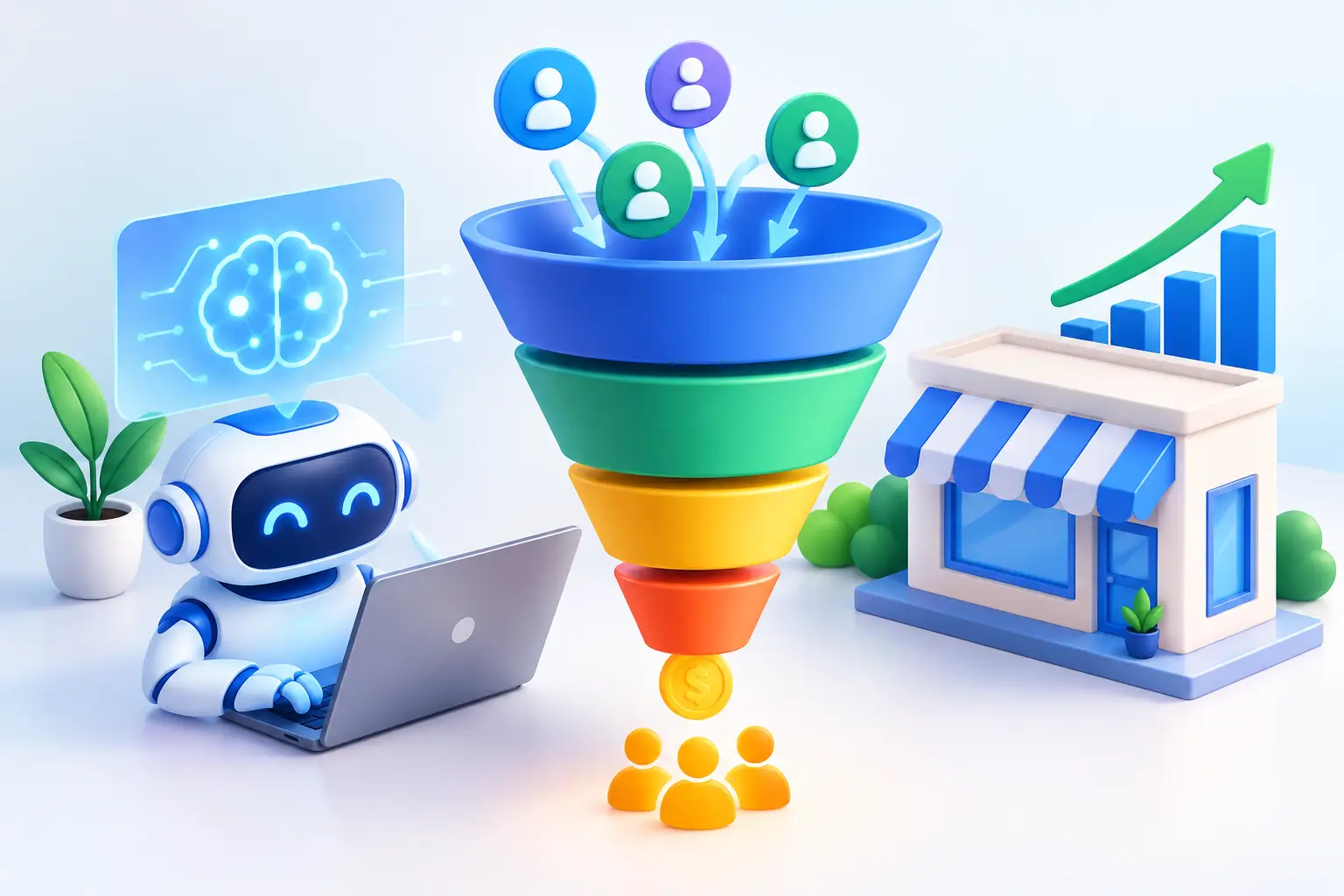
AI prospecting helps you identify likely buyers, research them faster, and create more relevant outreach at scale. Instead of waiting for someone to click, you start conversations with people or businesses that fit your ideal customer profile. AI can speed up list building, personalize cold emails, generate call scripts, organize lead data, and produce follow-up messages that do not sound copied and pasted.
The difference is simple: ads capture existing demand, while prospecting creates demand through direct contact and consistent follow-up.
That does not mean every business should abandon ads for outbound outreach. A garage door repair company with urgent local searches needs to show up when someone types “broken garage door near me.” A B2B agency selling high-ticket services may get more predictable results by reaching out to a carefully researched list of decision-makers. Your offer, sales cycle, location, and lead value matter.
When Paid Ads Make More Sense
Paid ads work best when buyers already know they need help and are ready to act. They are especially valuable for time-sensitive services, ecommerce products with clear appeal, and offers with a proven landing page and sales process.
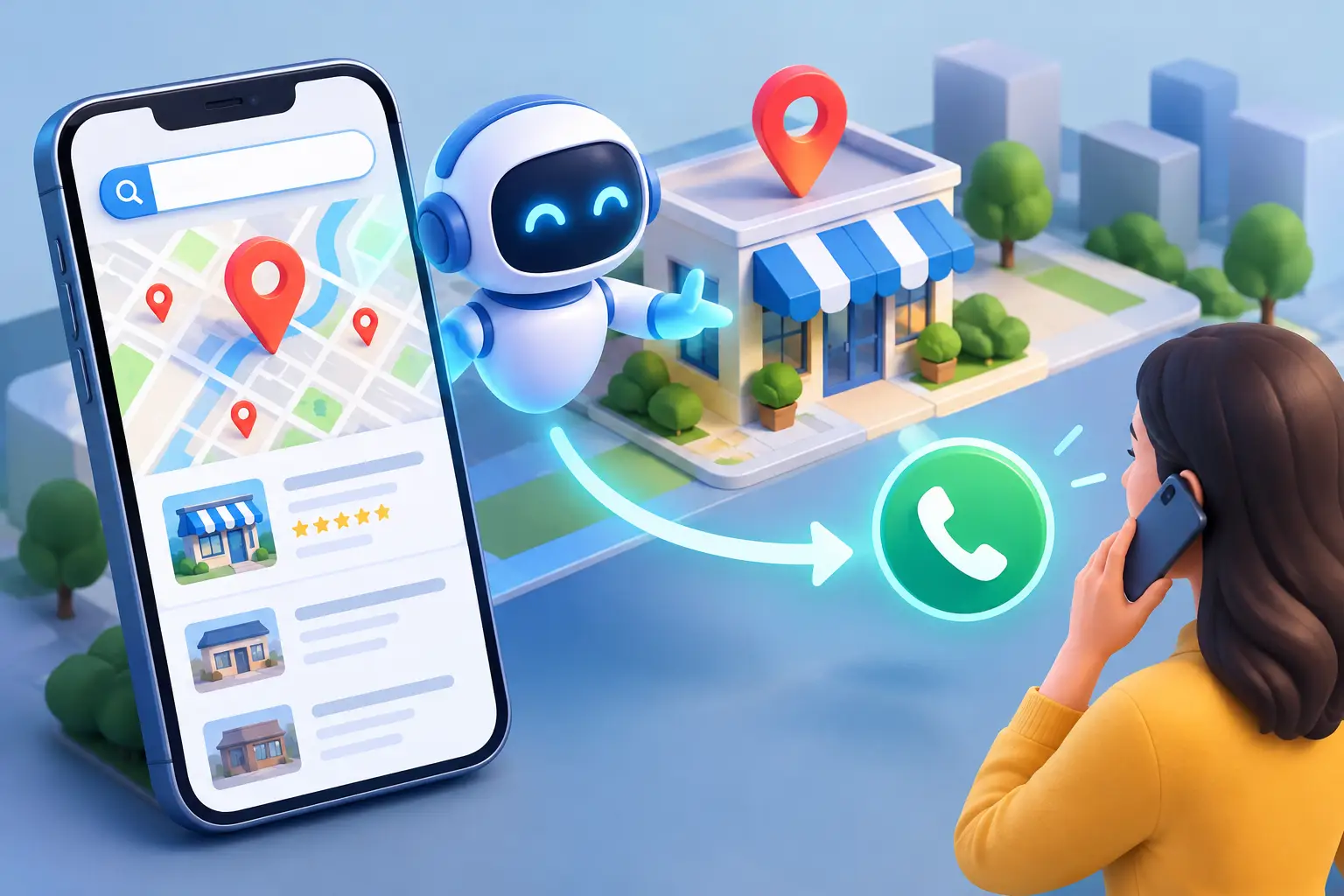
A plumber, moving company, chiropractor, or auto repair shop can benefit from paid search because customers often look for these services at the moment they need them. The prospect is already raising their hand. Your job is to appear with a clear offer, strong reviews, and an easy way to call or book.
Paid social can also work well when the offer is visual or impulse-friendly. A product demo, before-and-after transformation, seasonal promotion, or limited-time bundle can earn attention before the customer begins actively shopping.
The trade-off is cost and control. Ad platforms become more expensive when competitors bid on the same audience. Creative wears out. Targeting changes. A campaign can produce leads that look promising but never answer the phone. You need ongoing testing, budget discipline, and a way to track whether leads turn into real revenue.
Paid ads are usually the better first move when you need volume quickly, have a short path from click to purchase, and can afford to test without expecting perfection in week one.
When AI Prospecting Has the Advantage
AI prospecting is strongest when your ideal customer can be clearly identified before they buy. Think commercial property managers, local businesses with outdated websites, ecommerce brands with weak email funnels, real estate agents expanding their teams, or homeowners in a specific neighborhood who match a service need.
Instead of paying to reach a broad audience, you build a targeted list. Then you contact people with a relevant reason to talk. A fence contractor might reach homeowners in new developments. A marketing freelancer might contact businesses that have active social accounts but no lead capture system. A solar installer might focus on high-energy-use homes in suitable zip codes.
AI makes this process faster, but it does not remove the need for judgment. The best outreach is specific. It references a real business issue, a local opportunity, or a clear outcome. Generic messages sent at high volume still get ignored, even if AI wrote them in seconds.
The advantage is that prospecting can build an asset. Your lead list, customer research, outreach angles, follow-up sequence, and sales insights continue to improve over time. You are not starting from zero every month.
For service businesses with high customer value, one well-matched client can cover the cost of a focused prospecting campaign many times over. That makes AI prospecting especially useful for higher-ticket jobs, recurring services, and B2B offers where the right lead matters more than thousands of impressions.
Compare the Channels Where It Counts
The fastest way to choose is to look beyond vanity metrics. Clicks, impressions, and open rates only matter if they lead to booked jobs, sales calls, or revenue.
Speed to Results
Paid ads can generate traffic the same day a campaign launches. That is their biggest advantage. If your business has an urgent promotion, an open schedule, or a seasonal rush, ads can create momentum fast.
Prospecting takes longer to set up because you need a list, an offer, messages, and a follow-up plan. Replies may come in days or weeks. But once the system is running, it can produce a steadier flow of conversations without requiring a larger ad budget every time you want more leads.
Cost Per Opportunity
Ad costs are visible. You see the daily budget, cost per click, and cost per lead. The hidden cost is wasted spend from poor targeting, weak creative, or a landing page that fails to convert.
Prospecting costs are often lower in cash but higher in attention. You need time to validate prospects, review AI-generated messages, and follow up consistently. The good news is that purpose-built AI workflows can handle much of the repetitive work, giving a small team more output without adding payroll.
Lead Quality
Neither channel automatically produces better leads. Paid search often delivers high intent, but some leads will compare prices or contact several businesses at once. Outbound prospecting can reach ideal-fit customers before competitors do, but only if the message gives them a compelling reason to respond.
For a local roofer, a Google ad may win because a homeowner has an immediate leak. For a commercial cleaning company, prospecting may win because office managers rarely search for a new vendor until someone puts a better option in front of them.
Scalability
Ads scale by spending more, assuming your conversion rate stays healthy. That can be powerful, but it becomes risky when acquisition costs rise faster than profit.
Prospecting scales through better systems. AI can help segment lists, create industry-specific messages, write follow-ups, draft proposals, and keep your team from staring at a blank page. Still, scale should not mean blasting thousands of strangers. Quality targeting and relevance protect your sender reputation and your brand.
The Smart Move for Most Small Businesses
For many owners, the best answer is not one channel. It is a practical mix.
Use paid ads to capture people actively searching for your service. Use AI prospecting to build relationships with customers who are a strong fit but are not searching yet. The two channels can support each other. Questions from sales calls improve your ad copy. High-performing ad offers become stronger outreach hooks. Prospecting insights reveal which customer segments deserve their own ad campaigns.
Start with the channel closest to your immediate business goal. If you need calls this week, test a focused paid campaign with a clear local offer. If you need larger contracts, repeat business, or a more predictable pipeline, build a prospecting system that gives your outreach a reason and your follow-up a schedule.
Do not spread a small budget across five platforms and call it marketing. Pick one audience, one offer, and one measurable conversion goal. Track booked calls, estimates, sales, and customer value. Then improve from real data.
Make AI the Multiplier, Not the Strategy
AI will not fix an unclear offer or make irrelevant messages persuasive. What it can do is remove the bottlenecks that keep good marketing ideas stuck in your head.
Use it to turn one customer profile into tailored email angles, phone scripts, follow-up sequences, ad variations, landing-page copy, and social proof requests. Rocket AI Prompts provides ready-to-use workflows built around those practical growth tasks, so you can spend less time figuring out prompts and more time starting conversations.
The winning channel is the one you can run consistently, measure honestly, and improve without burning through your budget or your week. Start where demand is strongest, keep your message specific, and give every lead a clear next step.




0 Comments